
Human foods that can be toxic to pets: what every owner should know.
Chocolate isn’t the only dangerous food. Learn which everyday foods can be toxic to dogs and cats and when to seek help.
Can human food be dangerous for pets?
Many of the foods we enjoy every day can be harmful, and sometimes even life-threatening, to our pets.
While dogs and cats often beg for treats from the dinner table, their bodies process certain foods very differently from ours. Some foods may cause mild digestive upset, while others can affect the nervous system, heart, liver or kidneys.
Knowing which foods are dangerous can help prevent a veterinary emergency.
Why is chocolate toxic to dogs?
Chocolate is one of the most common causes of food-related poisoning in dogs.
It contains compounds called methylxanthines, particularly theobromine and caffeine, which dogs cannot metabolise efficiently. As a result, these substances build up in the body and can reach toxic levels.
The darker and more concentrated the chocolate, the greater the risk.
Generally, toxicity increases in the following order:
- White chocolate
- Milk chocolate
- Dark chocolate
- Baking chocolate
- Cocoa powder
- Cocoa beans
Small dogs are especially vulnerable because even modest amounts can result in significant toxicity.
What are the signs of chocolate poisoning?
Symptoms typically develop within six to twelve hours after ingestion and may include:
- Restlessness
- Hyperactivity
- Vomiting
- Diarrhoea
- Increased thirst
- Excessive urination
- Rapid breathing
- Elevated heart rate
- Muscle tremors
- Seizures in severe cases
Without treatment, severe chocolate toxicity can be fatal.
What should I do if my dog eats chocolate?
Do not wait for symptoms to develop.
Contact your veterinarian immediately, even if your dog appears normal. Early treatment is often highly effective and can prevent serious complications.
If possible, be ready to provide:
- Your pet’s weight
- The type of chocolate consumed
- The estimated amount eaten
- When the incident occurred
Prompt veterinary attention can make a significant difference to the outcome.
What other foods are toxic to dogs and cats?
Chocolate is not the only concern. Several common household foods can be dangerous to pets.
Grapes and raisins
Even small amounts can cause sudden kidney failure in some dogs. The exact toxic mechanism remains unclear, making any exposure a concern.
Onions, garlic and chives
These foods can damage red blood cells and lead to anaemia in both dogs and cats.
Xylitol
This artificial sweetener is found in some chewing gums, sweets, peanut butters and baked products.
In dogs, xylitol can cause a rapid drop in blood sugar and may lead to liver failure.
Alcohol
Even small quantities can affect a pet’s nervous system and cause serious illness.
Macadamia nuts
These nuts can cause weakness, tremors, vomiting and difficulty walking in dogs.
Caffeine
Coffee, energy drinks, tea and caffeine tablets can have effects similar to chocolate toxicity.
Raw bread dough
Yeast dough can expand in the stomach and may also produce alcohol as it ferments.
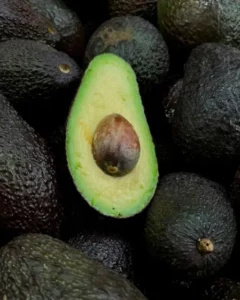
Avocados
While not usually highly toxic to dogs, avocados can cause digestive upset and may pose risks to some other animal species.
Are some pets more at risk than others?
Yes.
Dogs are generally at greater risk because they are more likely to consume large amounts of food if given the opportunity. Curious puppies are particularly vulnerable.
Cats tend to be more selective eaters but can still be affected by certain toxic foods and household substances.
How can poisoning be prevented?
Prevention is always better than treatment.
Simple precautions include:
- Keeping chocolate and sweets out of reach
- Storing food securely
- Educating children about unsafe foods
- Checking ingredients for xylitol
- Keeping rubbish bins inaccessible
- Avoiding feeding table scraps
When in doubt, assume a food may be unsafe until you have confirmed otherwise.
How can we help?
Poisoning emergencies require prompt action and professional veterinary care.
At Ceres Veterinary Hospital, we provide emergency treatment for suspected poisonings, including chocolate toxicity and exposure to other harmful foods. Our team can assess your pet, initiate appropriate treatment and provide ongoing monitoring to give your pet the best possible chance of recovery.
When should I contact a veterinarian?
Immediately.
If you suspect your pet has eaten chocolate or any potentially toxic food, do not wait for symptoms to appear. Early intervention often leads to the best outcomes and can prevent a minor incident from becoming a medical emergency.
Sources:
The following articles were used as sources when writing this blog:
- https://www.fda.gov/animal-veterinary/animal-health-literacy/potentially-dangerous-items-your-pet
- https://animalemergencyservice.com.au/blog/toxic-foods-for-dogs-cats/