
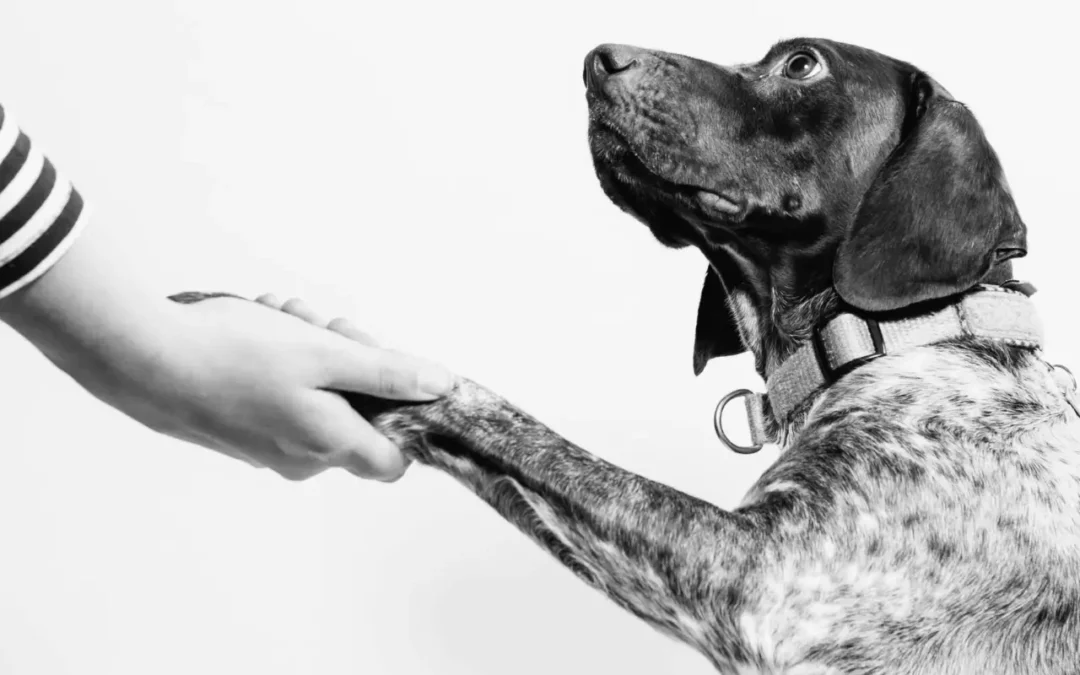
Why do dogs put their paws on people? Understanding this common canine behaviour
Dogs use their paws to communicate. Learn what your dog’s pawing behaviour means and when it may require attention.
Why do dogs put their paws on people?
Many dog owners are familiar with the gentle (or sometimes not-so-gentle) paw placed on an arm, leg or lap. While it may seem like a simple gesture, pawing is one of the ways dogs communicate with people.
In most cases, a dog placing a paw on a person is perfectly normal behaviour. It can be a sign of affection, attention-seeking, excitement, reassurance-seeking or simply a learned behaviour that has been rewarded in the past.
Understanding the reason behind the behaviour can help strengthen your bond with your dog and ensure that any underlying issues are addressed.
What does it mean when a dog puts its paw on you?
Dogs communicate primarily through body language. Unlike people, they cannot tell us exactly what they need, so they rely on behaviours that get our attention.
Common reasons for pawing include:
- Seeking attention
- Requesting affection
- Wanting to play
- Asking for food or a treat
- Seeking reassurance when feeling anxious
- Communicating excitement
- Reinforcing a behaviour that has previously earned a response
The context in which the pawing occurs often provides the biggest clue as to what your dog is trying to communicate.
Is pawing a sign of affection?
Often, yes.
Many dogs learn that placing a paw on their owner results in physical contact, talking, cuddling or attention. Over time, the behaviour becomes a natural way for them to interact with the people they trust.
If your dog appears relaxed, has a soft body posture and is seeking closeness, pawing is often simply another way of expressing affection and strengthening social bonds.
Can pawing indicate anxiety or stress?
Sometimes.
Dogs that are feeling uncertain, nervous or stressed may paw at their owners as a way of seeking reassurance. This is particularly common during thunderstorms, fireworks, travel, veterinary visits or unfamiliar situations.
If pawing is accompanied by signs such as panting, trembling, pacing, hiding or clingy behaviour, it may indicate that your dog is feeling anxious rather than simply seeking attention.
When should I be concerned about pawing?
Most pawing behaviour is harmless. However, sudden changes in behaviour should always be monitored.
It may be worth seeking veterinary advice if:
- The behaviour develops suddenly
- Pawing becomes excessive or obsessive
- Your dog appears distressed
- There are signs of pain or discomfort
- The behaviour is accompanied by other changes in appetite, energy levels or temperament
In some cases, underlying medical conditions, pain or cognitive changes can influence a dog’s behaviour.
Can pawing be discouraged?
If the behaviour has become excessive, it can often be managed through training and consistency.
Helpful approaches include:
- Avoid rewarding unwanted pawing with attention
- Reward calm behaviour instead
- Provide regular mental stimulation and exercise
- Teach alternative behaviours such as “sit” or “settle”
- Ensure your dog’s physical and emotional needs are being met
Consistency from all family members is important to avoid sending mixed messages.
How can we help?
Understanding canine behaviour can sometimes be challenging, particularly when a behaviour changes suddenly or becomes problematic
At Ceres Veterinary Hospital, we work closely with Dr Laura McIntyre of Just Nuisance Veterinary Behaviour Consultancy, who provides professional veterinary behavioural support for dogs and cats. Whether your dog is displaying attention-seeking behaviours, anxiety, aggression, compulsive behaviours or other behavioural concerns, we can help identify potential underlying medical causes and develop an appropriate management plan. Through a combination of veterinary assessment, behavioural expertise and practical guidance, we aim to help pets and their owners enjoy happier, healthier relationships.
What is the outlook?
In most cases, pawing is a normal part of canine communication and not something owners need to worry about. Understanding why your dog is using this behaviour can help you respond appropriately and strengthen your relationship.
If you notice sudden behavioural changes or have concerns about your dog’s wellbeing, our team is here to help.
Sources used to draft this article:
- https://www.petmd.com/dog/behavior/why-do-dogs-put-their-paws-on-people
- https://www.akc.org/expert-advice/advice/why-does-my-dog-put-paw-on-me/